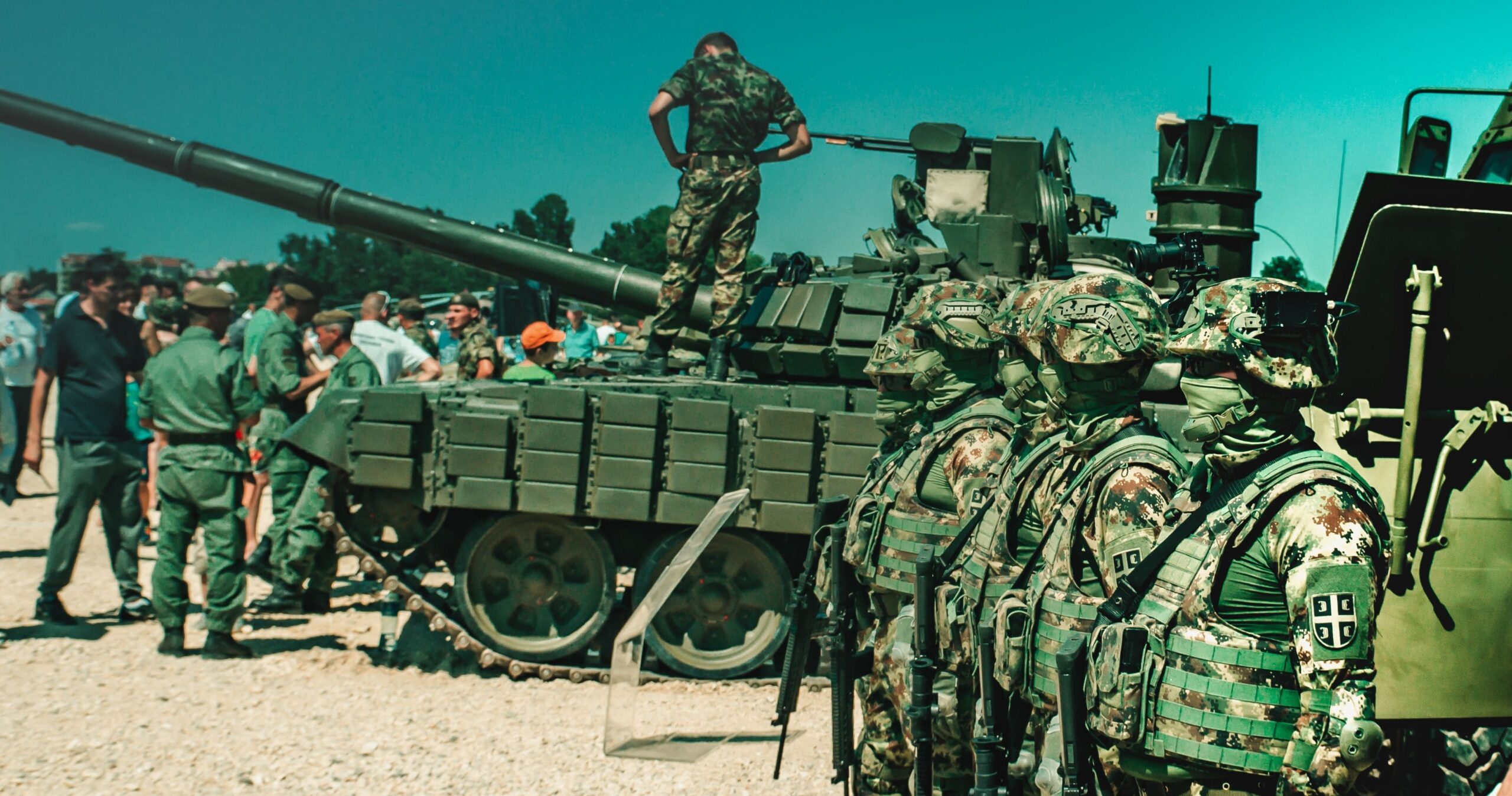
Could War Become as Unacceptable as Slavery?
There was a time when slavery was defended by law, custom and economic interest. Today,…

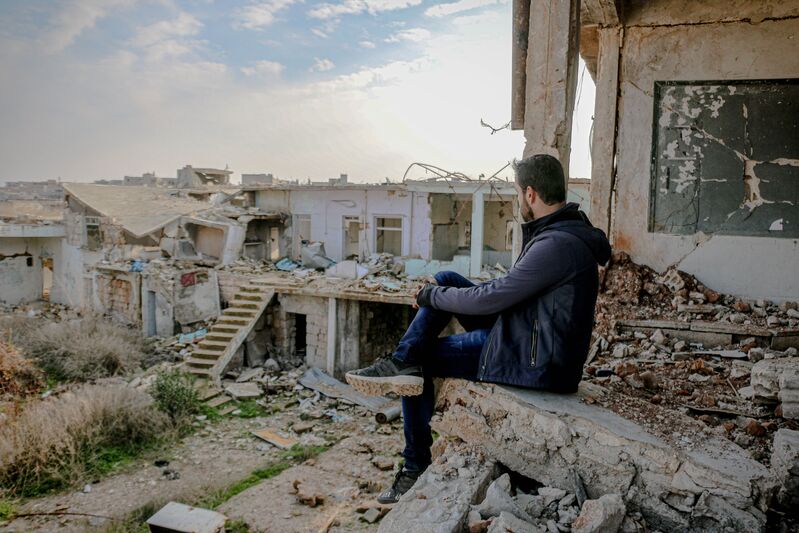
There was a time when slavery was defended by law, custom and economic interest. Today, it is formally prohibited under international law and widely recognised as a profound violation of human dignity. The change did not happen because human nature suddenly improved. It happened through argument, activism, political struggle, law and changing social expectations.
Could the same kind of transformation ever happen to war?
The comparison needs care. Slavery is a system of exploitation; war is a broad category that includes aggression, self-defence and collective action authorised under international law. A country defending itself against invasion cannot reasonably be treated in the same way as a country launching one. But the larger question remains: could aggressive war become so illegitimate that no government could openly present it as a normal instrument of policy?
There are already foundations for such a shift. The UN Charter obliges member states to settle disputes peacefully and prohibits the threat or use of force against another state’s territorial integrity or political independence, subject to recognised exceptions. The Geneva Conventions and other rules of international humanitarian law restrict how parties may fight and require protections for civilians and others who are not, or are no longer, taking part in hostilities.
Yet the persistence of armed conflict shows the distance between a legal principle and political reality. The UN recorded more than 37,000 civilian deaths in armed conflicts in 2025. Meanwhile, SIPRI estimated global military expenditure at $2.887 trillion that same year. One figure describes human loss; the other describes the enormous resources still committed to military capability.
Changing attitudes would require more than declaring war unacceptable. It would require institutions that make aggression harder to carry out, leaders who face consequences for unlawful decisions, and citizens who expect governments to explain the legal and human costs of using force.
It would also require a credible answer to the question of self-defence. A world that condemns aggression but cannot protect a country being attacked would not be a peaceful world. It would be a world in which the vulnerable were told to accept their fate.
The ambition, then, is not to abolish the ability to defend people. It is to make conquest and aggression an increasingly unworkable choice — politically, legally and practically.
That ambition is explored in The Global Peace Alliance by Kizzi Nkwocha, which asks whether nations could commit their military strength to a common system designed to prevent wars.
Could aggressive war ever become as morally and politically unacceptable as slavery has become — or will the power to wage war always be regarded by states as an essential part of sovereignty?
The Global Peace Alliance — Kizzi Nkwocha
Want more like this?
Get an occasional email when there’s something new worth reading. No spam, unsubscribe anytime.
By subscribing you agree to receive occasional emails about new releases. Unsubscribe anytime by replying to any email.